
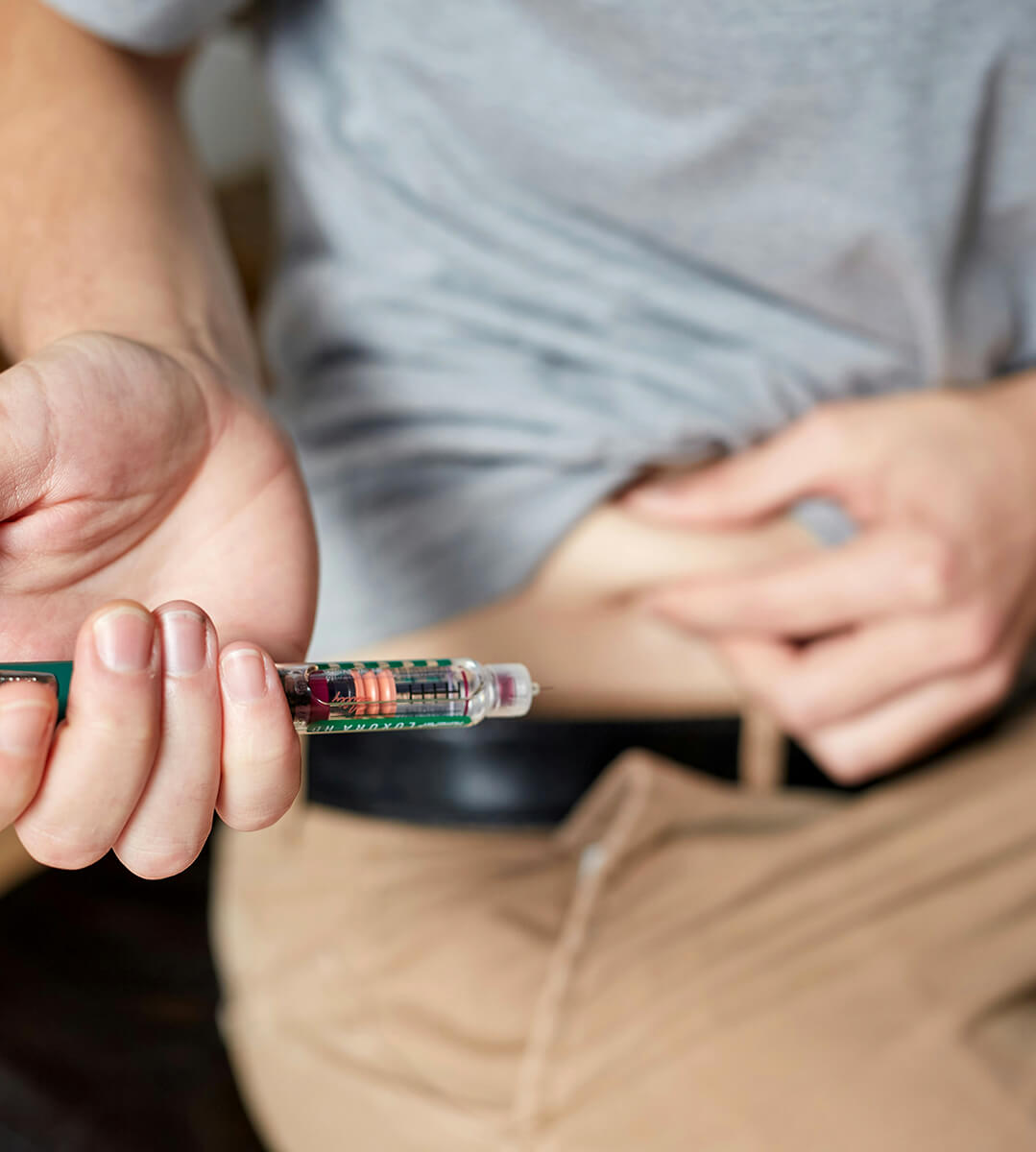
Microdosing GLP-1 medications has become an increasingly popular topic as more people explore ways to support metabolic health and reduce inflammation with fewer side effects. Medications such as Ozempic, Wegovy, and Mounjaro are already widely recognized for helping with diabetes management and weight loss, but growing attention is now being placed on how smaller doses may also support energy levels, cravings, recovery, and chronic inflammation.
What exactly Is microdosing?
Microdosing generally means taking lower-than-standard doses of a GLP-1 medication. There is no official medical definition yet, but for many people it involves slower dose increases, smaller maintenance doses, or using just enough medication to achieve benefits without aggressive weight loss. Interest in this approach is growing because some individuals report feeling better overall while experiencing fewer digestive side effects compared to higher doses.
The inflammation connection
Researchers are increasingly studying the connection between GLP-1 medications and chronic inflammation, which plays a role in many common health conditions, including obesity, insulin resistance, arthritis, heart disease, fatty liver disease, and autoimmune disorders. Early research suggests GLP-1 medications may help reduce inflammatory markers and improve metabolic function in some patients. Many people also report improvements in joint pain, swelling, brain fog, energy levels, sugar cravings, and exercise recovery.
Part of these benefits may come from improved blood sugar stability, reduced inflammation in fat tissue, and healthier metabolic signaling throughout the body. Some researchers also believe GLP-1 medications may directly influence inflammatory pathways and immune system responses, although studies are still ongoing. While more research is needed, the early findings and patient experiences have created significant interest in the potential anti-inflammatory effects of these medications.
Why patients are drawn to lower doses
One reason people are drawn to microdosing is the possibility of achieving steady, sustainable improvements with a gentler approach. Lower doses may reduce common side effects such as nausea, stomach discomfort, constipation, fatigue, and vomiting. Some individuals prefer gradual weight loss or simply want support for appetite regulation, cravings, energy, and inflammation without dramatic physical changes. Others view microdosing as a way to support long-term metabolic health while maintaining muscle mass and daily function.
Medical supervision is still essential
Even with lower doses, medical supervision remains important. A knowledgeable healthcare provider should evaluate a patient’s full health picture, including medical history, digestive health, thyroid conditions, medications, nutrition, and lifestyle habits. Monitoring lab work such as blood sugar, cholesterol, liver function, kidney function, and inflammatory markers can help guide treatment safely and effectively. Strong medical guidance should also include discussions about hydration, protein intake, strength training, and maintaining muscle health during treatment.
A tool, not a miracle
Results can vary from person to person, but many individuals report positive changes such as reduced appetite, fewer cravings, improved blood sugar control, better energy, moderate weight loss, and lower inflammation markers. Some people notice subtle improvements in how they feel overall, including less “food noise,” better recovery after exercise, and improved daily comfort.
Most experts recommend viewing GLP-1 medications as one tool within a broader wellness plan that also includes nutrition, exercise, sleep, stress management, and regular medical care. When used thoughtfully and under professional supervision, microdosing may offer a more personalized and sustainable approach for people interested in improving metabolic health and reducing inflammation.