
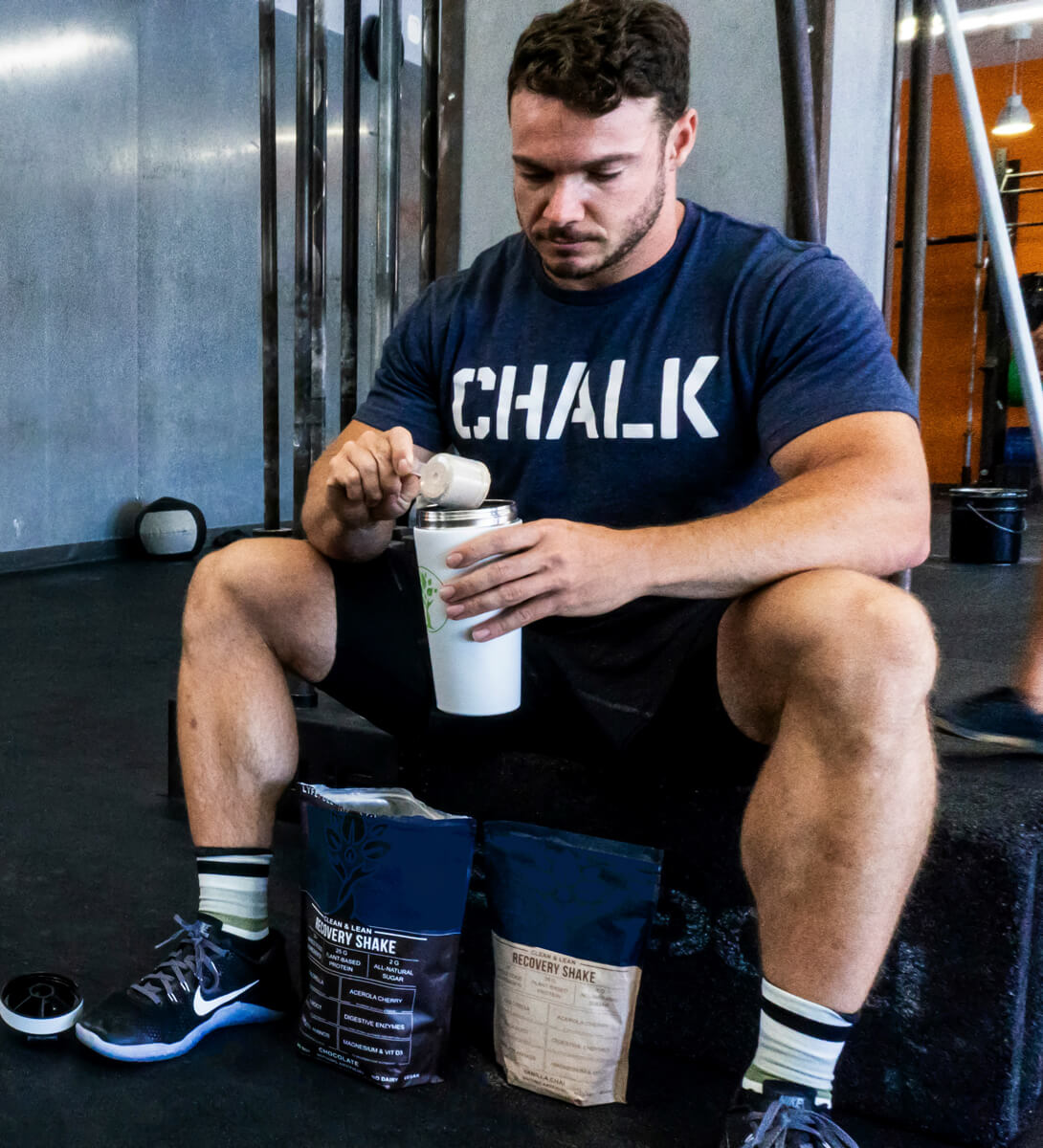
Recently, a patient came in feeling frustrated. They had committed to strength training several days a week and truly believed they were doing everything right. They were stronger, more consistent and proud of their workouts, but the scale hadn’t budged. As we reviewed their nutrition, we found a few opportunities for improvement. Portion sizes had gradually increased. Meals out tended to be higher in calories, fat and sugar than expected. But one habit stood out. After every strength-training workout, they drank a recovery shake with about 30 grams of protein and nearly 350 calories. About two hours later, they ate a full dinner. Suddenly, the picture became much clearer.
Protein Isn’t the Problem
Let’s be clear: protein is incredibly important. Protein helps preserve muscle while you’re losing weight. It helps you feel full, supports recovery after exercise, and is an important part of a healthy diet. We encourage many of our patients to eat enough protein throughout the day. But more isn’t always better. Your body doesn’t get “bonus points” for adding protein if it also means adding calories you don’t need.
Strength training is one of the best things you can do for your health. It builds muscle, improves metabolism, strengthens bones and helps with long-term weight maintenance. But many people overestimate how many calories they burn during a workout. A protein shake that contains 300–400 calories can replace, or even exceed, the calories burned during some strength-training sessions. If that shake is followed by a regular dinner shortly afterward, you’ve added several hundred calories. For someone trying to lose weight, that can make all the difference.
Instead of automatically reaching for a recovery shake, ask yourself: Am I truly hungry, or is this just part of my routine? If you’re planning to eat dinner within the next hour or two, you may not need both. In many cases, your dinner can provide the protein your muscles need to recover. A balanced dinner with lean protein, vegetables, and a healthy carbohydrate often provides everything your body needs after a workout.
A shake can certainly have a place, but it’s not mandatory after every workout. Protein shakes can be a great option if:
One strategy we often discuss with patients is consider changing the timing of the food you were already planning to eat. Instead of adding a post-workout snack or shake, try eating part of your next meal before your workout and the rest afterward. For example, have half of your chicken, rice and vegetables before exercising, then finish the rest when you get home. This small shift provides the nutrients needed for recovery without adding hundreds of extra calories to the day.
The Bottom Line
Don’t let nutrition myths distract you from what really matters. Strength training is fantastic. Protein is important. But weight loss still comes down to your overall eating pattern and total calorie intake over time. Sometimes the answer isn’t working out harder. It’s taking a closer look at what happens after the workout. Small adjustments, not major restrictions, are often all it takes to get the scale moving again.