
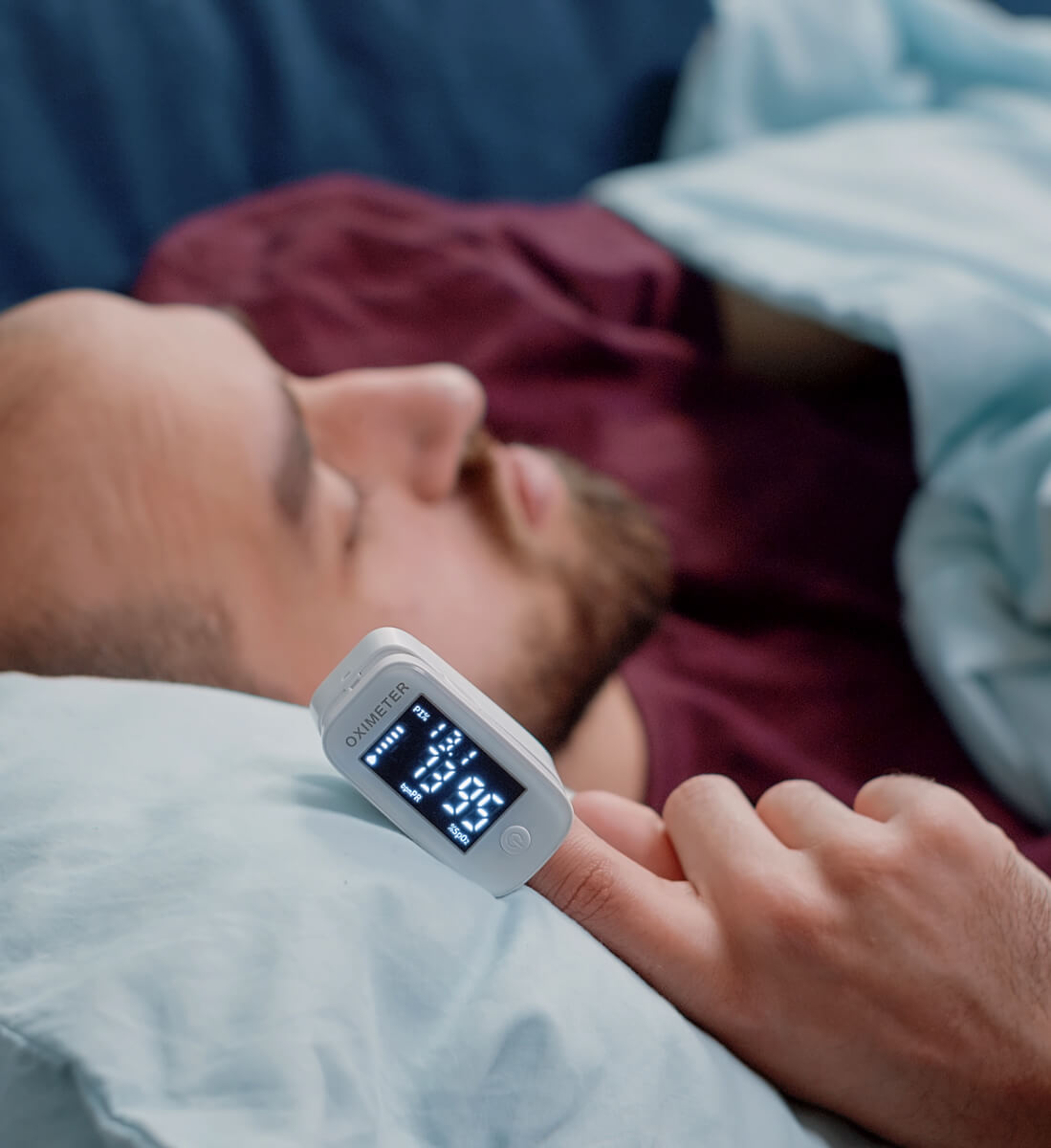
Sometimes the clearest sign that something is wrong is how thoroughly exhausted you feel. You might not even realize how bad your sleep has become—until you’re running on fumes day after day. Loud snoring. Morning headaches. Brain fog that lingers past noon. Irritability that shows up uninvited. No amount of coffee keeps your energy afloat. And your weight? It keeps creeping up, no matter what you try.
When a sleep study finally reveals obstructive sleep apnea, the diagnosis can feel like a revelation. Your breathing has been stopping and starting all night long. Your body has been living in a state of emergency, night after night, month after month.
Treatment, often with a CPAP machine, changes everything. Sleep deepens. You wake up without the headache. Your mood steadies. Energy returns during daylight hours. And yet, that familiar frustration creeps in: If my sleep is fixed, why isn’t my weight following suit?
Why treatment and weight loss don’t move in step
A common belief is that poor sleep causes weight gain, so fixing sleep apnea should automatically lead to weight loss. It’s logical on the surface, but physiologically it misses the mark.
“Sleep apnea treatment removes a major stress on the body,” says Dr. Deborah Abeles. “But removing a stressor isn’t the same as reversing years of metabolic disruption. Treatment restores normal function. It doesn’t fast-track weight loss.”
Chronic sleep disruption raises cortisol, worsens insulin resistance, and amps up hunger hormones—all of which encourage fat storage. Treating sleep apnea calms those signals. But calm doesn’t equal reversal overnight.
From survival mode to stability
Think of untreated sleep apnea as living in survival mode. When your body is chronically short on oxygen and sleep, it conserves energy and holds tightly to fuel. Even after treatment begins, your system needs time to trust that sleep is safe and steady again. This is why people often feel mentally clearer and more energetic long before they see any change in body weight. The brain recovers faster than the metabolism. “My patients tell me all the time: ‘I finally feel like myself again, so why doesn’t my body reflect that?’” says Dr. Abeles.
What changes when sleep is stable
Once sleep is consistently better, something important happens: capacity returns.
With real, sustained energy during the day, it becomes easier to move your body, prepare meals, and make thoughtful choices—not because you’re suddenly disciplined, but because you’re no longer running on empty. Appetite often becomes more predictable. Late-night cravings tend to ease. Exercise recovery improves. This is the point where weight loss efforts finally have a fair chance to work—not because the CPAP burned calories, but because your body is no longer fighting against itself.
At this stage, simple, sustainable habits matter most. Prioritizing protein, limiting late-night snacking, and incorporating strength training can be especially helpful. More muscle helps the body burn more energy at rest and improves blood sugar regulation.
The Takeaway
Treating sleep apnea restores normal function. It doesn’t trigger automatic weight loss. Feeling more awake, clear-headed, and emotionally stable isn’t a consolation prize; it’s the first real win. Weight loss, when it comes, follows the recovery, not the machine.
“For many people, this shift in understanding removes shame and replaces it with patience,” says Dr. Abeles. “And patience, it turns out, is one of the most underrated tools in metabolic health.”